Ever watched your little one stare at a ball, then look away when you try to join in? If you’re a parent of a toddler who shows signs of autism, you might be asking, How can I encourage social interaction in my toddler with autism signs? You’re not alone. This guide will walk you through the most effective, gentle ways to spark connection, using clear language, practical tips, and a touch of humor to keep things light.
Understanding the Landscape
What Are the Signs?
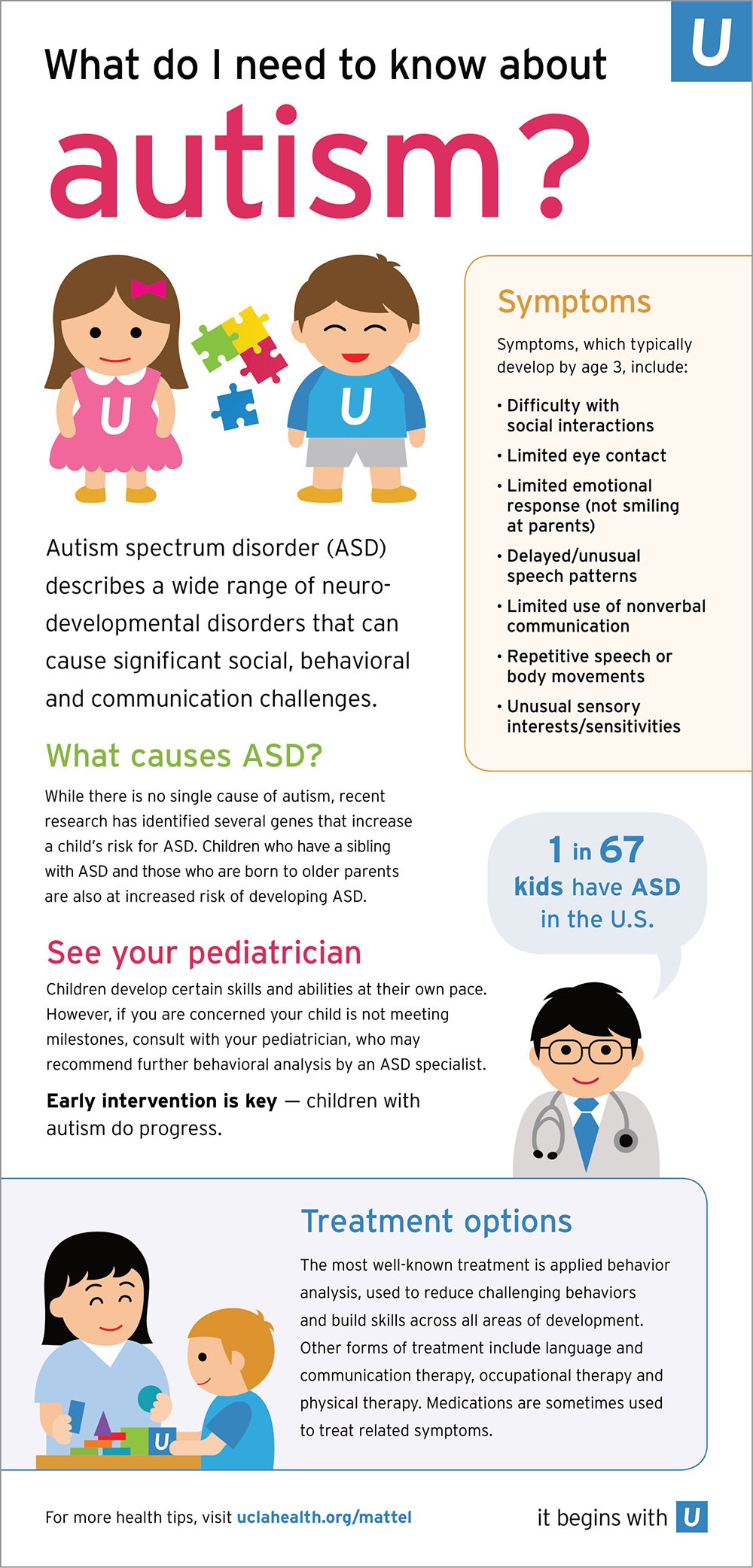
Autism spectrum disorder (ASD) manifests differently in every child. Common early signs include:
- Limited eye contact or unusual gaze patterns Delayed or atypical language development Repetitive movements or strong attachment to routines Difficulty interpreting social cues or emotions
Recognizing these signs early can help you tailor strategies that resonate with your child’s unique needs.
Why Social Interaction Matters
Social skills aren’t just about playdates; they’re the building blocks of confidence, empathy, and communication. When toddlers engage with peers, they learn to share, negotiate, and read emotions—skills that serve them throughout life. Think of social interaction as a garden: the more you water it, the more flowers bloom.
Setting the Stage for Connection
Create a Predictable Environment
Toddlers thrive on routine. A predictable setting reduces anxiety and opens the door for interaction.

- Consistent playtime slots – set a daily “play corner” window. Visual schedules – use pictures to outline the day. Calm space – a quiet corner with soft lighting for regrouping.
When your child knows what to expect, they’re more likely to step into social moments with curiosity rather than fear.
Use Visual Supports
Visual cues help bridge the gap between intention and understanding.
- Picture cards – illustrate greetings, sharing, or simple questions. Social stories – short narratives that describe a social scenario. Emotion charts – color‑coded faces to identify feelings.
These tools transform abstract concepts into concrete, digestible pieces, much like turning a complex recipe into step‑by‑step instructions.
Practical Strategies to Encourage Interaction
Playful Invitations
“Hey, want to play?” can feel like a magic spell when delivered with enthusiasm and clarity. Try:
- Gesture + verbal cue – a wave or a hand‑on‑hand invitation. Joint attention games – point at an object and say its name. Turn‑taking toys – use a ball or a simple puzzle that requires sharing.
Remember, the goal isn’t a perfect conversation but a shared moment of attention.
Structured Play Sessions
A well‑planned play session can guide your toddler toward meaningful interaction.
- Start with a clear objective – e.g., “Let’s build a tower together.” Use timers – short intervals keep focus sharp. Rotate roles – alternate between leading and following.
Structure gives your child a safety net, reducing the overwhelm that often blocks spontaneous socializing.
Peer Modeling
Children learn by watching. Introduce your toddler to peers who display gentle, inclusive behaviors.
- Small group settings – a playdate with one or two children. Role‑playing – act out simple scenarios like sharing or greeting. Positive reinforcement – praise both your child and the peer for cooperation.
A well‑chosen role model can act like a lighthouse, guiding your toddler through the fog of uncertainty.
Use of Technology
When used wisely, technology can be a bridge, not a barrier.
- Interactive apps – choose those that encourage turn‑taking and emotional recognition. Video modeling – short clips of peers engaging socially. Communication devices – picture‑based tablets for those still developing verbal skills.
Always pair tech with real‑world practice to keep the connection grounded.
Building Confidence Through Small Wins
autism in girlsCelebrate Efforts
“Patience is a garden that must be tended.” This quote reminds us that growth takes time. Celebrate every attempt your child makes to engage:
- Thumbs‑up for a shared look. Sticker charts for participation milestones. Storytime recap highlighting moments of interaction.
Positive reinforcement turns social attempts into triumphs, encouraging repetition.
Encourage Choice
Autonomy fuels motivation. Offer simple choices to empower your toddler:
- “Do you want to play with blocks or the puzzle?” “Which friend would you like to invite?” “Would you like to sit on the carpet or the floor?”
When your child feels in control, the fear of social exposure diminishes, opening pathways to connection.
When to Seek Professional Guidance
Early Intervention
If you notice persistent challenges—such as no eye contact after a year of consistent support—early intervention can be crucial. Services may include:
- Speech and language therapy Occupational therapy Social skills groups
These professionals bring expertise that complements home strategies.
Therapy Options
Consider therapies that focus on social engagement:
- Applied Behavior Analysis (ABA) – structured, data‑driven approach. Developmental, Individual Difference, Relationship-Based (DIR/Floortime) – child‑led play with a focus on emotional bonding. Play Therapy – uses play as a medium for expressing feelings and practicing social cues.
Choosing the right therapy is like picking the right tool for a delicate craft; it requires patience and collaboration.
A Few Final Thoughts
Encouraging social interaction in a toddler with autism signs is a journey, not a sprint. Each small step—whether it’s a shared glance, a turn‑taking game, or a successful peer interaction—adds a brick to the foundation of confidence and connection. Keep your approach flexible, celebrate progress, and remember that every child’s path is unique.
If you’re ready to take the next step, consider reaching out to a local autism support group or scheduling a consultation with a developmental specialist. The right support system can transform the challenge into a shared adventure.
*Here’s to opening doors, one smile at a time.*